Slovenia is often praised for its fine dining and traditional home cooking, but another side of its gastronomy is equally fascinating: street food. In towns, city squares, and at local festivals, you’ll find simple, affordable, and tasty dishes that reflect Slovenia’s history and cultural diversity. Street food here is not only about grabbing a bite—it’s about atmosphere, ritual, and sometimes nostalgia.
Burek – The late-night king
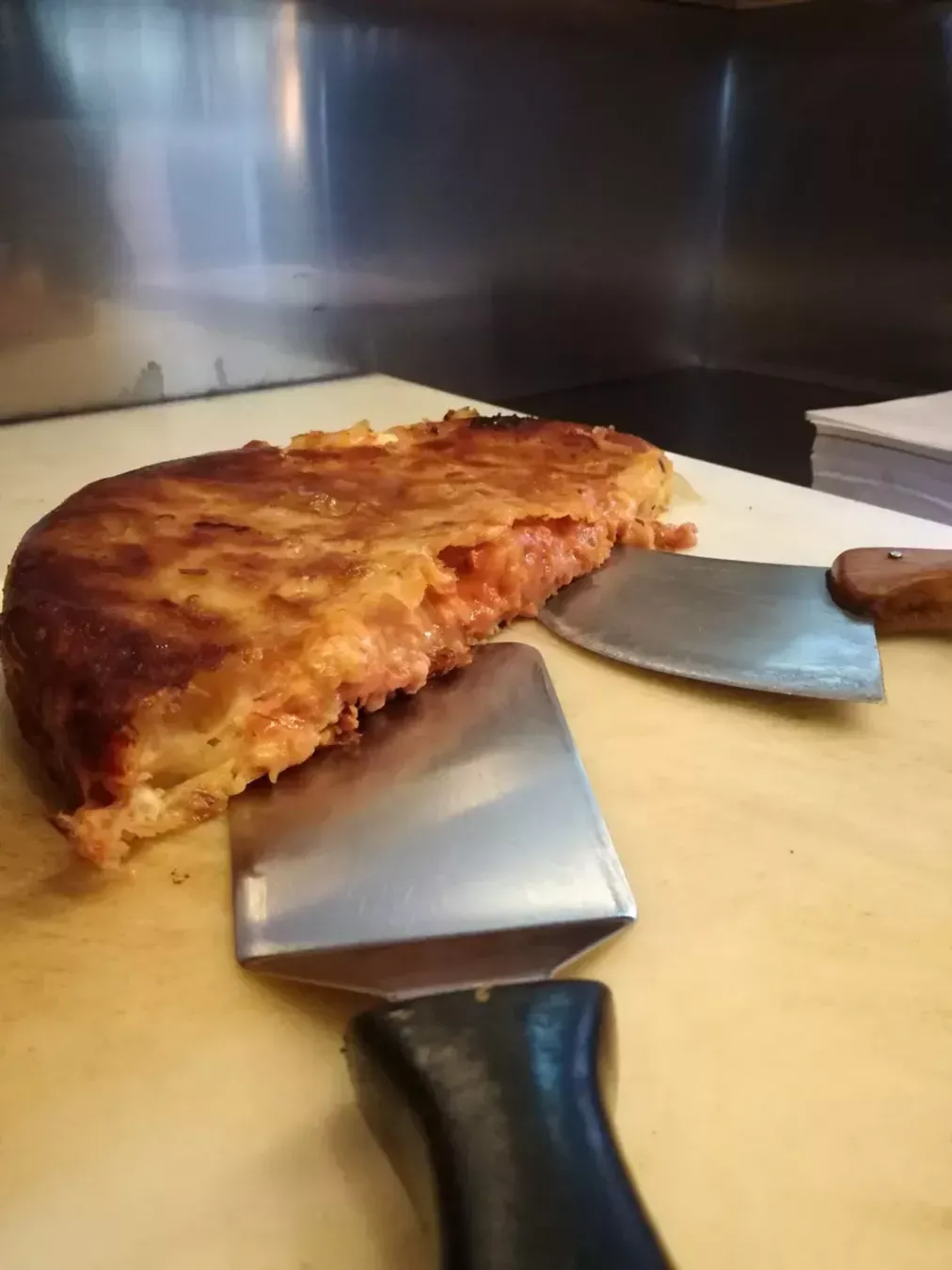
If there is one street food that defines Slovenian cities, it is burek.
Origins: Burek came to Slovenia from the Balkans during the Yugoslav period. Originally Turkish in origin, it spread widely through the Balkans and became a student staple in Ljubljana and Maribor.
Varieties: The most common fillings are meat, cheese, spinach, and apples. Each is wrapped in layers of flaky pastry, baked golden, and served in large slices.
Cultural role: Burek is more than food—it is a late-night ritual. After concerts, parties, or exams, students and night owls flock to burek shops that often stay open until dawn.
Famous all over Balkan - Burek. Source: visitljubljana.com
👉 Traveler’s tip: Ask for a “mesni burek” (meat) or “sirov burek” (cheese). A portion is large, filling, and inexpensive.
Roasted chestnuts – The scent of autumn
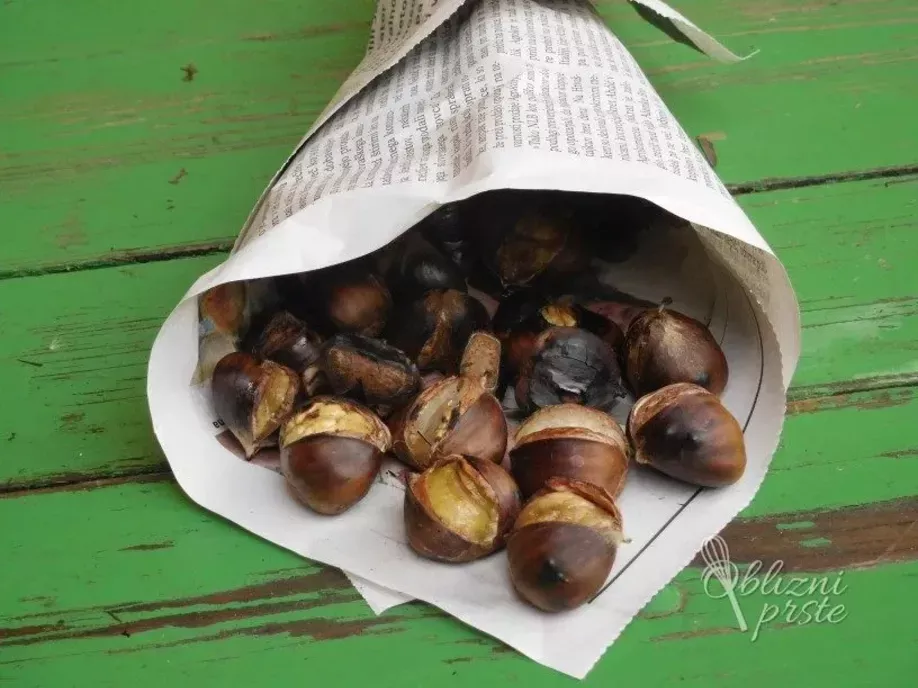
In autumn, the smell of roasted chestnuts fills Slovenian city squares. Vendors roast them in large iron pans and sell them in paper cones.
Season: October and November, when chestnuts are harvested in Slovenia’s forests.
Experience: Eating chestnuts on a chilly evening is both a snack and a ritual, warming hands as well as stomachs.
Cultural meaning: Chestnuts are tied to autumn festivals, hikes in the woods, and childhood memories of sharing them with friends.
Chestnuts perfect company to spot Christmas lights in your favour slovenian town in December. Source: Oblizniprste.si
👉 Did you know? Chestnut trees were once so important in parts of Slovenia that they were called the “bread of the poor,” providing essential food in hard times.
Sausages, Langaš, and festival foods
Street food is also tied to village fairs, markets, and local festivals.
Hot sausages: Served with mustard and bread rolls, they are popular at open-air markets and sports events.
Langaš: A fried flatbread of Hungarian origin, topped with garlic, cheese, or sour cream. Especially common in the northeast.
Kebabs and burgers: Though international, they have become urban staples, adapted to Slovenian tastes.
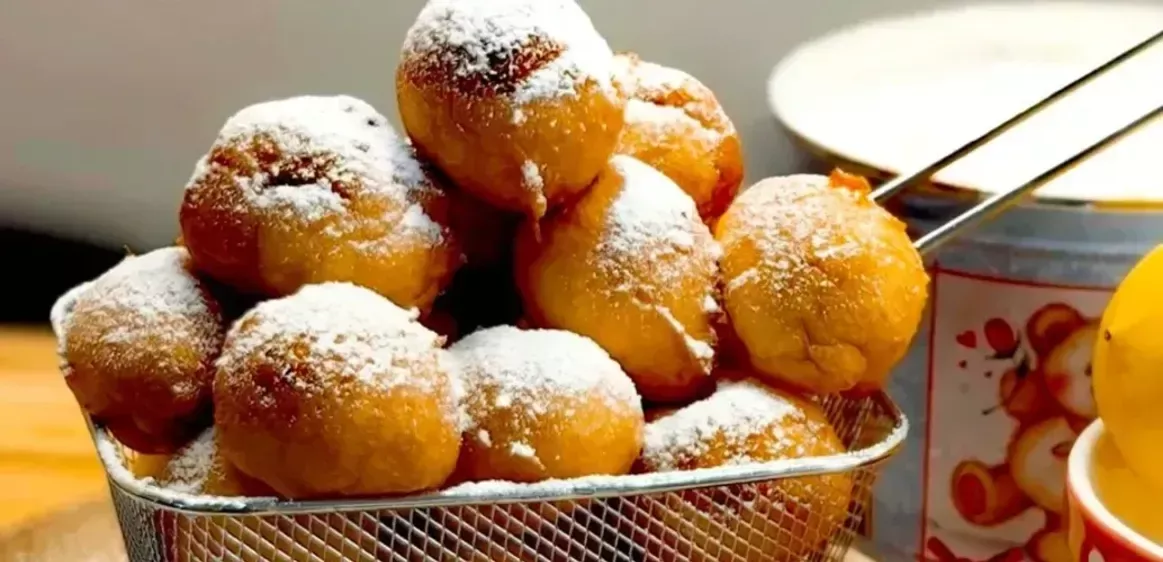
“Miške” and “flancati”: Sweet fried pastries sold at fairs, similar to doughnuts or fritters.
Fried "miške - dough balls" famous winter dessert. Source: Okusno.je
At festivals, food is more than fuel—it is part of the celebration, eaten while listening to live music or dancing at village squares.
Odprta Kuhna – Slovenia’s Open Kitchen
Ljubljana has taken street food to another level with Odprta Kuhna (“Open Kitchen”), a weekly open-air food market.
When: Every Friday from spring to autumn, weather permitting.
What: Dozens of stalls offering everything from Slovenian classics (žlikrofi, štruklji) to Asian noodles, Middle Eastern falafel, or Mexican tacos.
Atmosphere: The central market becomes a buzzing food festival, with locals, tourists, and families gathering to eat outdoors.
👉 Traveler’s tip: Arrive early to avoid queues, and bring cash for small purchases.
Sweets and seasonal treats
Slovenia’s street food also includes sweets tied to seasons and festivals.
Carnival (Pust): Jam-filled doughnuts (krofi) dominate bakeries and street stands in February.
Christmas markets: Stalls sell roasted almonds, mulled wine (kuhano vino), and festive cookies.
Summer fairs: Ice cream, pancakes (palačinke), and fresh fruit cups are popular.
Each season brings new flavors to the streets, turning everyday walks into opportunities for indulgence.
Drinks on the go
Street food is usually accompanied by drinks, and Slovenia offers plenty of options.
Beer: Especially at festivals, where local lagers and craft brews flow freely.
Cider: Increasingly popular in apple-growing regions.
Wine by the glass: At harvest festivals, don’t be surprised to see locals sipping wine from plastic cups.
Non-alcoholic options: Elderflower syrup mixed with sparkling water is a refreshing classic.
The atmosphere of Slovenian Street food
What makes Slovenian street food unique is the setting.
In cities: A quick burek eaten on a bench in Ljubljana’s Prešeren Square feels like part of urban life.
In villages: Sausages and langaš are enjoyed while listening to accordion music at a fair.
In forests and mountains: Roasted chestnuts or mushroom snacks are sold to hikers during autumn walks.
Street food is not just about taste—it’s about people-watching, music, laughter, and the joy of being outdoors.
Practical tips for travelers:
Cash is king: Street vendors often don’t accept cards.
Timing matters: Chestnuts are sold only in autumn; krofi mainly in February.
Ask locals: The best burek shops or food stalls are often known only by word of mouth.
Mix tradition and modernity: Try a burek for history and a craft burger for Slovenia’s new trends.
More Than Snacks – A Window into Slovenian Culture
Street food in Slovenia shows how everyday eating is tied to history, migration, and community. Burek reflects Balkan influences, chestnuts tie to the land, langaš reminds of Hungarian connections, and Odprta Kuhna shows Slovenia’s openness to global flavors.
For visitors, street cousine is not only cheap and tasty—it is also a way of participating in Slovenian life. Eating on the street here means sharing a moment with students, workers, families, and tourists alike.
👉 Whether it’s a late-night slice of burek, roasted chestnuts in November, or gourmet bites at Ljubljana’s Open Kitchen, Slovenian street food captures the country’s balance of tradition and modernity. It proves that you don’t need fine dining to taste the soul of a nation—sometimes all you need is a paper cone or a warm piece of pastry.
Sep 03, 2025