Slovenian cuisine today is a vibrant blend of flavors, drawing on ancient traditions, imperial legacies, and modern creativity. To truly understand why a small country can have such a rich cousine, we must look back at the crossroads of history where Slovenia has always stood. Nestled between the Alps, the Mediterranean, the Pannonian Plain, and the Balkans, Slovenia has absorbed influences from all directions while preserving its own resourcefulness and identity.
Ancient roots – From Roman vines to Alpine herds
The story begins long before nations were drawn on maps. Archaeological evidence shows that viticulture and breadmaking were already present in what is now Slovenia during Roman times. Amphorae, grape seeds, and cooking vessels found in ancient settlements testify that wine, olive oil, and grains were staples of early diets.
In the Alpine regions, shepherds relied on dairy, producing cheeses and sour milk that remain iconic today. Buckwheat, introduced later, became the grain of choice for mountain people, used in žganci and dumplings.
Cousine at this stage was simple and functional, tied directly to survival and geography.
Medieval Slovenia – Monasteries and celebrations
In the Middle ages, monasteries played a crucial role in preserving and developing culinary traditions. Monks cultivated vineyards, experimented with brewing, and refined baking techniques. This was also the period when celebration bread and pastries entered Slovenian culture, many of which survive in holiday customs today.
At the same time, peasants relied on cabbage, beans, turnips, and pork. Preservation methods—fermentation, smoking, and drying—were essential for surviving long winters.
👉 Did you know? Sour turnip (kisla repa), a winter staple, is one of Slovenia’s oldest preserved foods and remains popular in dishes like jota.
Austro-Hungarian influence – Layers of empire
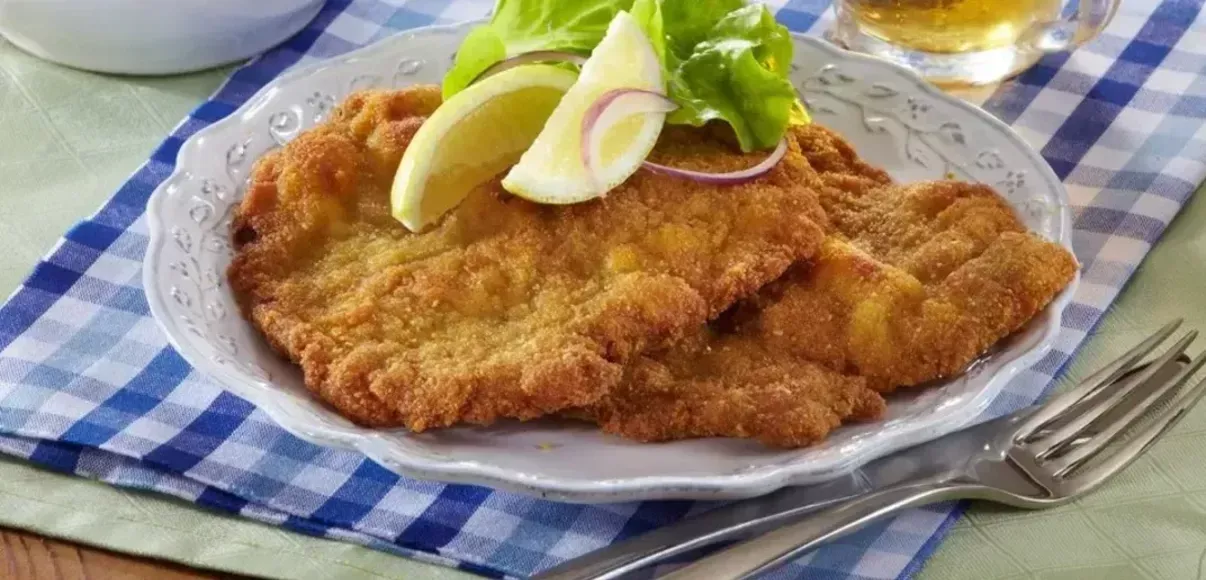
For centuries, Slovenia was part of Austro-Hungarian empire, and its cuisine reflects this Central European connection.Wiener schnitzel found its way into Slovenian cousine decades ago and it is today among most common dish in the restaurants. They prepare if from different sorts of meet. Source: Okusno.je Wiener schnitzel (dunajski zrezek): Breaded meat cutlets became common Sunday fare.
Strudel (štrudelj): Apple, cheese, or cherry strudels are still bakery favorites.
Goulash (golaž): Hungarian-style stews found a permanent place in Slovenian kitchens.
Pastry culture: The empire’s love for coffeehouses and cakes influenced Slovenian baking traditions.
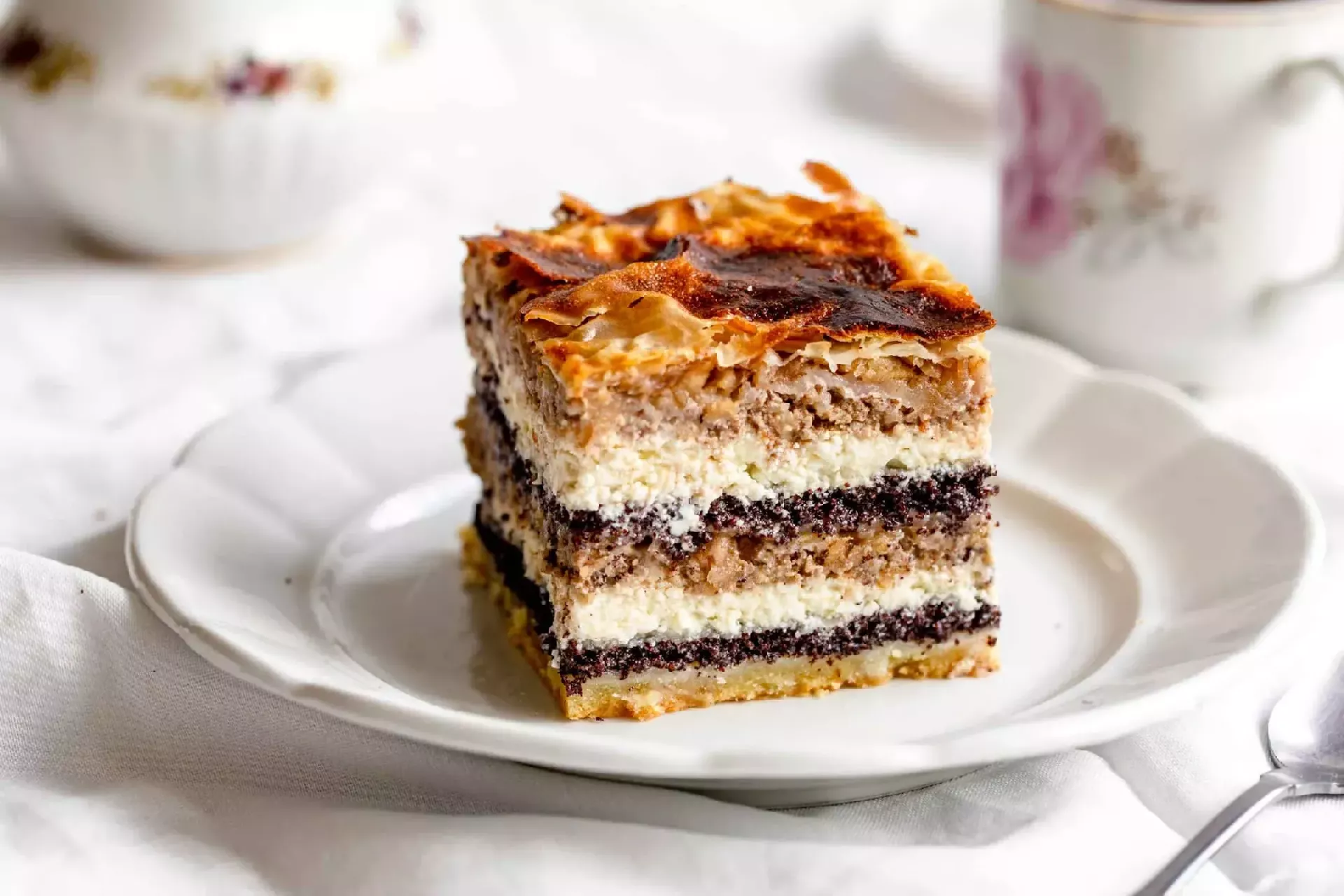
During this period, Prekmurska gibanica also developed, combining Austro-Hungarian layering techniques with local ingredients like poppy seeds, walnuts, apples, and cheese.
Italian and Mediterranean notes
Western Slovenia, bordering Italy and the Adriatic, absorbed Mediterranean flavors. Olive oil, polenta, pasta, and risotto became household staples. Coastal fishing villages relied on seafood, while vineyards grew robust reds like Refošk and Malvazija.
Italian influence also shaped urban cousine: pizza, espresso, and gelato became everyday indulgences, especially after World War II when travel between Trieste and Ljubljana became easier.
Balkan connections
From the south and east came dishes like burek (flaky pastry with meat or cheese), ćevapčiči (grilled minced meat sausages), and bean stews. These dishes became popular during the Yugoslav era, when regional exchange was common. Today, burek shops remain an essential part of Slovenian street food culture.
The Balkan tradition of socializing around grilled meats and schnapps also found a place in Slovenia’s cousine.
Peasant traditions – The soul of Slovenian cuisine
Despite outside influences, the foundation of Slovenian culinary remains its peasant roots. For centuries, most Slovenians lived on small farms, growing their own food and making the most of limited resources.
Žganci: Buckwheat spoonbread, eaten with milk, stews, or cracklings.
Jota: Sauerkraut, beans, potatoes, and pork stew.
Štruklji: Rolled dumplings, boiled or baked, with countless fillings.
Fermentation: Sauerkraut and sour turnip ensured vitamins in winter.
These dishes are resourceful, filling, and deeply tied to Slovenian identity.
Prekmurska gibanica became culinary symbol of Prekumrje region in North-East Slovenia. Source: Jernejkitchen.com
The 20th century – From survival to celebration
The world wars and economic hardships of the 20th century forced Slovenians to be frugal and inventive. Yet, cousine remained central to social life. Weddings, christenings, and holidays always included culinary with potica, roasted meats, and abundant wine.
During the Yugoslav period, cousine broadened with Balkan imports and international goods, but local traditions stayed strong. Sunday lunches, holiday baskets, and village fairs ensured continuity.
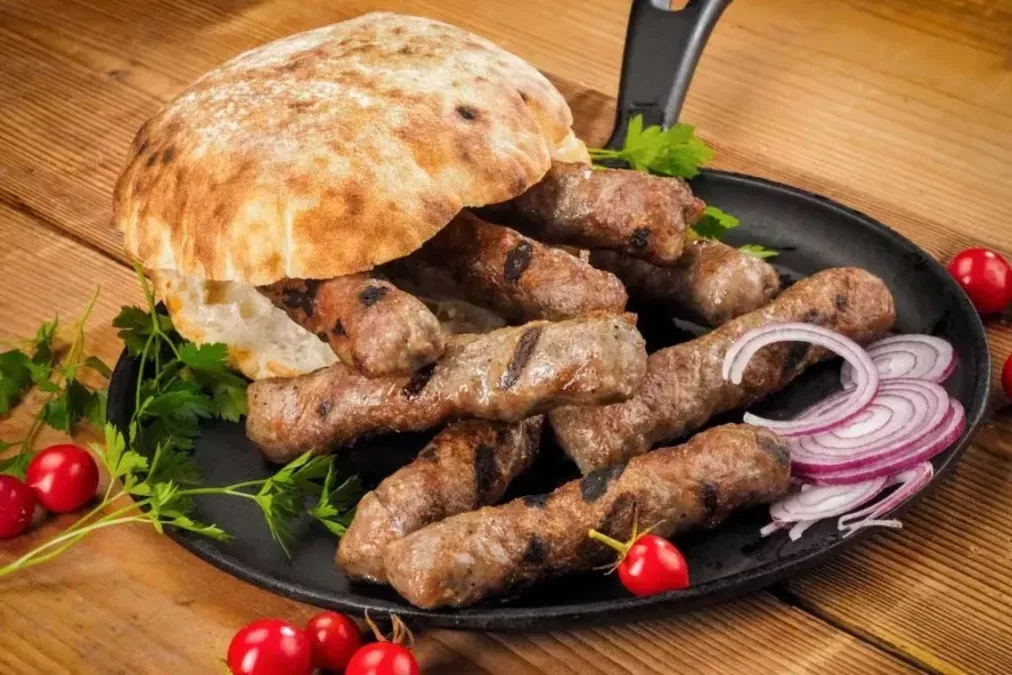
Popular habit of Slovenians over summer time became BBQ, with Čevapčiči in first place. Source: Slovenec.org
Contemporary fusion – Slovenia on the world stage
In the last two decades, Slovenia has transformed its culinary scene. Chefs began reinterpreting traditional dishes with modern techniques, focusing on local and seasonal ingredients. The rise of fine dining and Michelin stars has positioned Slovenia as a serious culinary destination.
Ana Roš (Hiša Franko): Internationally acclaimed, using foraged herbs and alpine dairy in innovative ways.
Luka Košir (Grič): Farm-to-table pioneer, raising ducks and earning a Michelin Green Star.
Urban restaurants: Ljubljana now boasts creative bistros blending global flavors with Slovenian staples.
At the same time, small farms and tourist inns (turistične kmetije) preserve authentic flavors, offering travelers both rustic and refined experiences.
Culinary as heritage and innovation
What makes Slovenian cuisine special today is the balance of heritage and innovation. Potica, jota, and štruklji remain beloved, but chefs are not afraid to ferment, forage, and experiment.
This duality reflects Slovenia itself: proud of tradition, yet dynamic and forward-looking.
Practical tips for travelers:
Taste history: Try gibanica in Prekmurje, fish stew (brodet) on the coast, and žganci in the mountains.
Experience both worlds: Visit a Michelin-starred restaurant and a family-run tourist farm for the full picture.
Look for stories: Many dishes come with legends or customs—ask locals to share them.
👉 The history of Slovenian cuisine is a history of crossroads: Romans and monks, emperors and peasants, Italians and Balkans, farmers and modern chefs. Out of these layers emerges a unique cousine—humble yet refined, simple yet creative. For visitors, tasting Slovenia is tasting the story of survival, celebration, and reinvention.
Sep 01, 2025