Slovenia’s culinary scene has changed dramatically over the last two decades. What was once seen mostly as a land of hearty peasant dishes and regional specialties has now become a global hotspot for innovative, sustainable, and artistic gastronomy. The shift did not happen overnight—it is the result of passionate chefs, visionary farmers, and a culture that values authenticity while embracing creativity.
Today, Slovenia’s restaurants compete with the best in Europe, winning Michelin stars, appearing on global rankings, and shaping conversations about the future of culinary. Yet the essence remains the same: cooking that tells the story of the land.
Ana Roš – The star of Hiša Franko
No conversation about contemporary Slovenian cuisine can begin without Ana Roš. Her restaurant Hiša Franko, in the Soča Valley, is Slovenia’s culinary flagship.
Awards: Two Michelin stars, a Michelin Green Star, and a spot on the World’s 50 Best Restaurants list. Named World’s Best Female Chef in 2017.
Philosophy: Roš uses foraged herbs, wildflowers, alpine dairy, and trout from the Soča River. Her menus change constantly, reflecting the seasons and the valley’s natural rhythms.
Impact: Hiša Franko put Slovenia on the world’s gastronomic map. Many travelers now visit the country specifically to dine there.
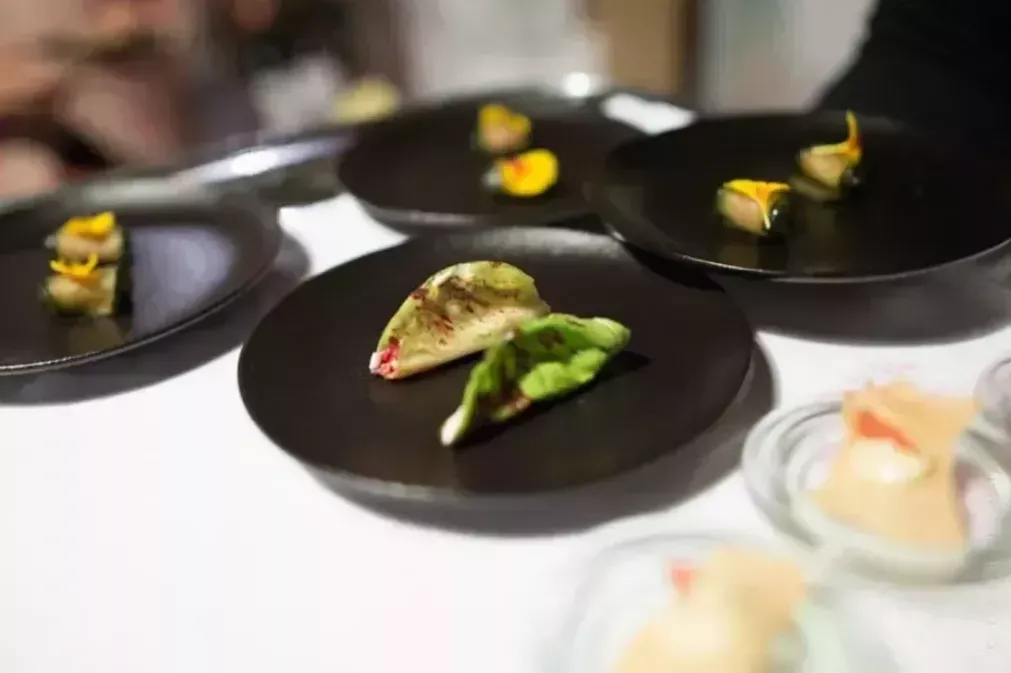
Ana Roš plates catching natural ingredients and present them in modern style. Source: Dukegroup.eu
👉 Traveler’s tip: Reservations must be made months ahead. Pair the experience with exploring the Soča valley’s stunning mountains and rivers.
Luka Košir – Sustainability at Grič
Near Ljubljana, chef Luka Košir has turned his restaurant Grič into a model of farm-to-table innovation.
Awards: Michelin Green Star for sustainability.
Philosophy: Košir raises his own ducks, cultivates herbs, and works almost entirely with nearby farms. He is dedicated to zero waste, using every part of an ingredient.
Experience: Meals at Grič are elegant but grounded. Diners often taste vegetables harvested that very morning.
Košir represents the new wave of chefs who see gastronomy not only as art but also as environmental responsibility.
Igor Jagodic – Fine dining in a castle
At Strelec, located in a medieval tower of Ljubljana Castle, chef Igor Jagodic combines history and haute cuisine.
Style: Seasonal, refined dishes that connect Slovenia’s past with its modern identity.
Setting: Dining in a castle adds atmosphere, making the experience both cultural and culinary.
Philosophy: Jagodic shows that contemporary dining can be deeply rooted in heritage.
Jorg Zupan – Playful creativity
In Ljubljana, chef Jorg Zupan at Atelje offers a youthful and experimental take on fine dining.
Style: Global techniques meet Slovenian ingredients, resulting in surprising but balanced combinations.
Atmosphere: Casual yet refined, appealing to both locals and visitors.
Philosophy: Culinary should be fun and dynamic, not intimidating.
Uroš Fakuč and Gregor Vračko – Regional innovators
Uroš Fakuč (Dam, Nova Gorica): Focuses on Mediterranean seafood with refined technique.
Gregor Vračko (Hiša Denk, Kungota): Known for bold flavors and a strong connection to the vineyards of Štajerska.
Both chefs prove that innovation is not limited to Ljubljana or Hiša Franko—it thrives across the country.
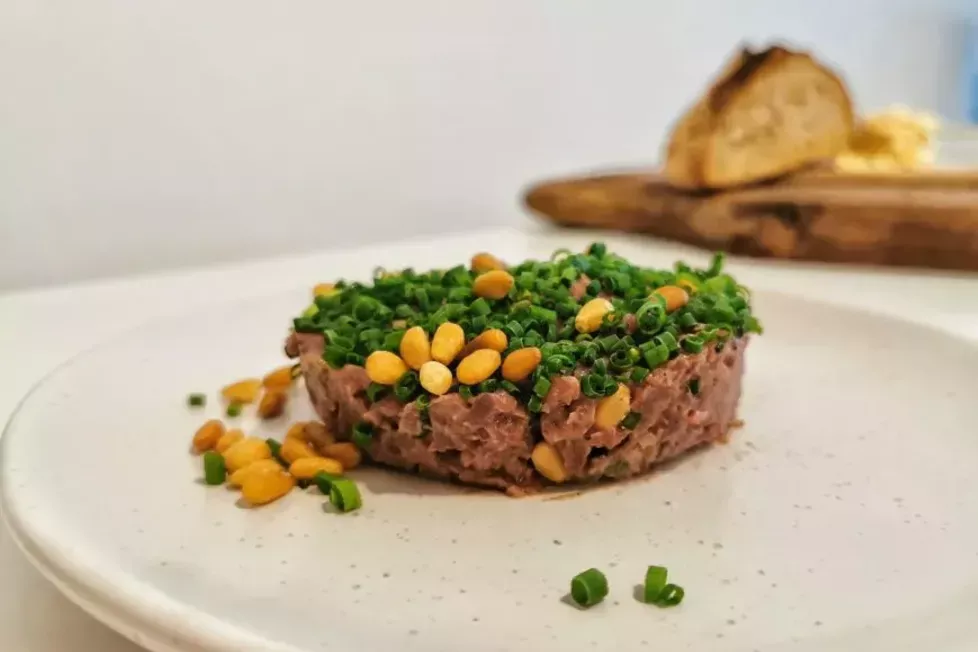
Modern cousine in Ljubljana bistros like Atelje. Source: Mihafirst.si
Trends shaping Slovenian gastronomy
Contemporary Slovenian cuisine is guided by several key trends that resonate globally while remaining distinctly local:
Zero-waste cooking: Chefs use every part of an ingredient, from carrot tops to fish bones, reducing waste and creating new flavors.
Foraging: Wild herbs, mushrooms, and flowers from Slovenia’s forests and meadows appear on Michelin menus.
Fermentation: Ancient preservation methods are revived to create complexity—fermented dairy, vegetables, and even grape skins enrich dishes.
Local first: Imported luxury ingredients are less important than showcasing Slovenian produce—chefs want menus to “taste of Slovenia.”
Plant-based menus: Vegetarian and vegan tasting menus are now common, appealing to global trends while rooted in Slovenia’s tradition of grain- and vegetable-based peasant dishes.
The role of wine and pairings
No contemporary meal in Slovenia is complete without wine. Chefs collaborate closely with winemakers, especially in regions like Vipava Valley and Goriška Brda, where orange wines and biodynamic practices align with the philosophy of natural gastronomy. Pairings often include not just wine but also ciders, herbal teas, and house-made ferments.
👉 Did you know? Slovenia was one of the first countries where Michelin began awarding Green Stars for sustainability, highlighting its strong commitment to eco-conscious dining.
Beyond fine dining – The everyday impact
The influence of contemporary chefs reaches beyond Michelin restaurants.
Urban cafés and bistros in Ljubljana and Maribor embrace seasonal, creative menus.
Tourist farms (turistične kmetije) modernize their offerings while staying rooted in tradition.
Street food events like Odprta Kuhna introduce gourmet versions of traditional snacks.
This means that visitors can taste innovation not only in exclusive restaurants but also in casual settings across the country.
Practical tips for travelers:
Plan ahead: Michelin-starred restaurants require reservations months in advance.
Mix experiences: Pair fine dining with rustic meals at local farms for contrast.
Ask about pairings: Many restaurants offer wine or non-alcoholic pairings that elevate the meal.
Budget: Tasting menus can range from €60 to €200+, depending on the restaurant.
Slovenia’s culinary future
Contemporary Slovenian gastronomy shows how a small country can make a big impact. By respecting tradition while embracing sustainability and creativity, Slovenia has carved out a unique place on the world culinary map.
For travelers, it means that every meal—whether in a valley farmhouse or a Michelin-starred dining room—can be both a taste of history and a glimpse of the future.
👉 Slovenia’s chefs are not just cooking—they are storytelling. Their stories are of mountains and rivers, forests and fields, family traditions and bold visions. And that is why contemporary Slovenian gastronomy is more than food—it is a cultural movement.
Aug 31, 2025