When travelers think of Europe’s great food destinations, names like France, Italy, or Spain usually come to mind.
Yet, hidden between the Alps, the Adriatic Sea, and the rolling hills of Central Europe lies a small country with a surprisingly big taste: Slovenia. With a population of just over two million, Slovenia may look tiny on the map, but when it comes to gastronomy, it punches far above its weight.
Slovenia’s food culture is shaped by its landscapes. In a single day you can drive from sunny vineyards on the coast to alpine pastures in the mountains and fertile plains in the east. Each region has its own dishes, drinks, and traditions, reflecting centuries of history and the natural abundance of the land. For curious travelers, Slovenia is more than a destination—it’s a culinary adventure waiting to be discovered.
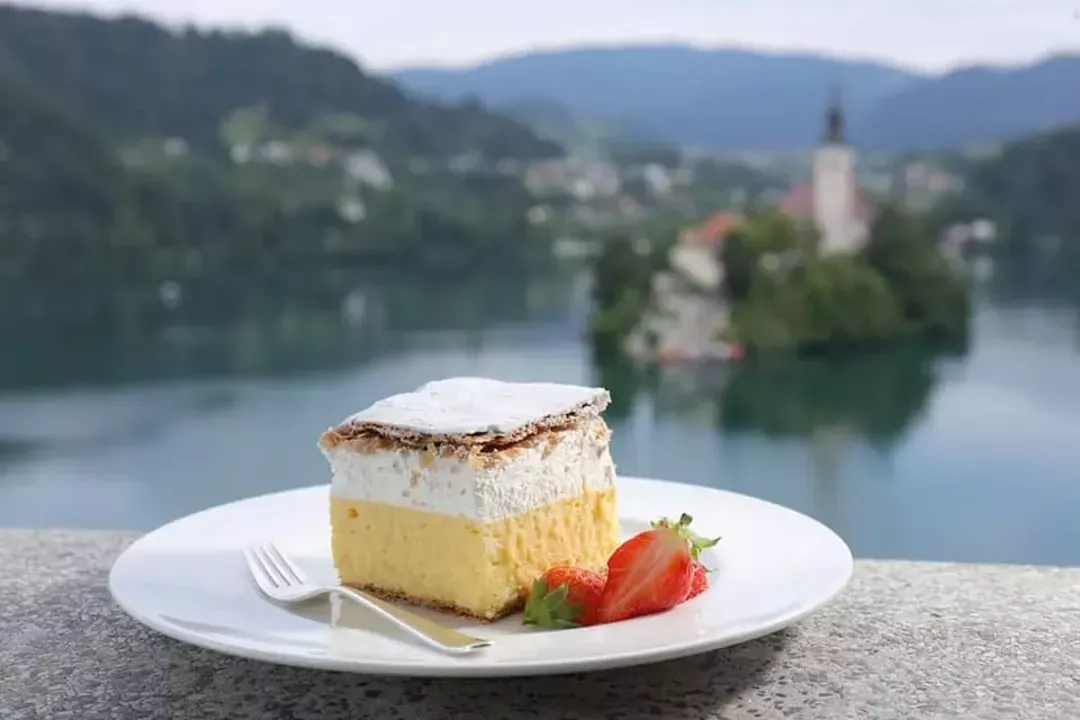
Bled cream cake. Source: The-slovenia.com
A country at the crossroads of flavors
Slovenia has always been a meeting point of cultures. The Mediterranean brings olive oil, seafood, and herbs. The Alpine regions contribute cheese, stews, and honey. Central Europe offers dumplings, sausages, and rich pastries. And from the Balkans come grilled meats, flaky pastries, and a love of hearty comfort food.
The result is not one single cuisine, but a colorful mosaic of influences blended with local creativity. Unlike in larger countries, where regional food can feel worlds apart, in Slovenia you can experience all of these flavors in just a few days.
👉 Did you know? Slovenia has more than 300 traditional dishes officially registered as part of its cultural heritage, ranging from simple peasant meals to festive sweets.
Signature Dishes that tell a story
Some foods have become symbols of Slovenia itself.
Potica – This celebration nut roll is baked for Christmas and Easter, but also appears at weddings and celebrations. With fillings like walnuts, poppy seeds, or even savory herbs, potica represents both tradition and family pride.
Kranjska klobasa (Carniolan sausage) – Made with pork, bacon, garlic, and spices, this sausage is protected by EU law. It’s typically served with bread, mustard, and sauerkraut—a taste of rustic Slovenian hospitality.
Prekmurska gibanica – From the northeast, this layered pastry of poppy seeds, walnuts, apples, and cheese is so rich it has earned EU protection as a culinary treasure.
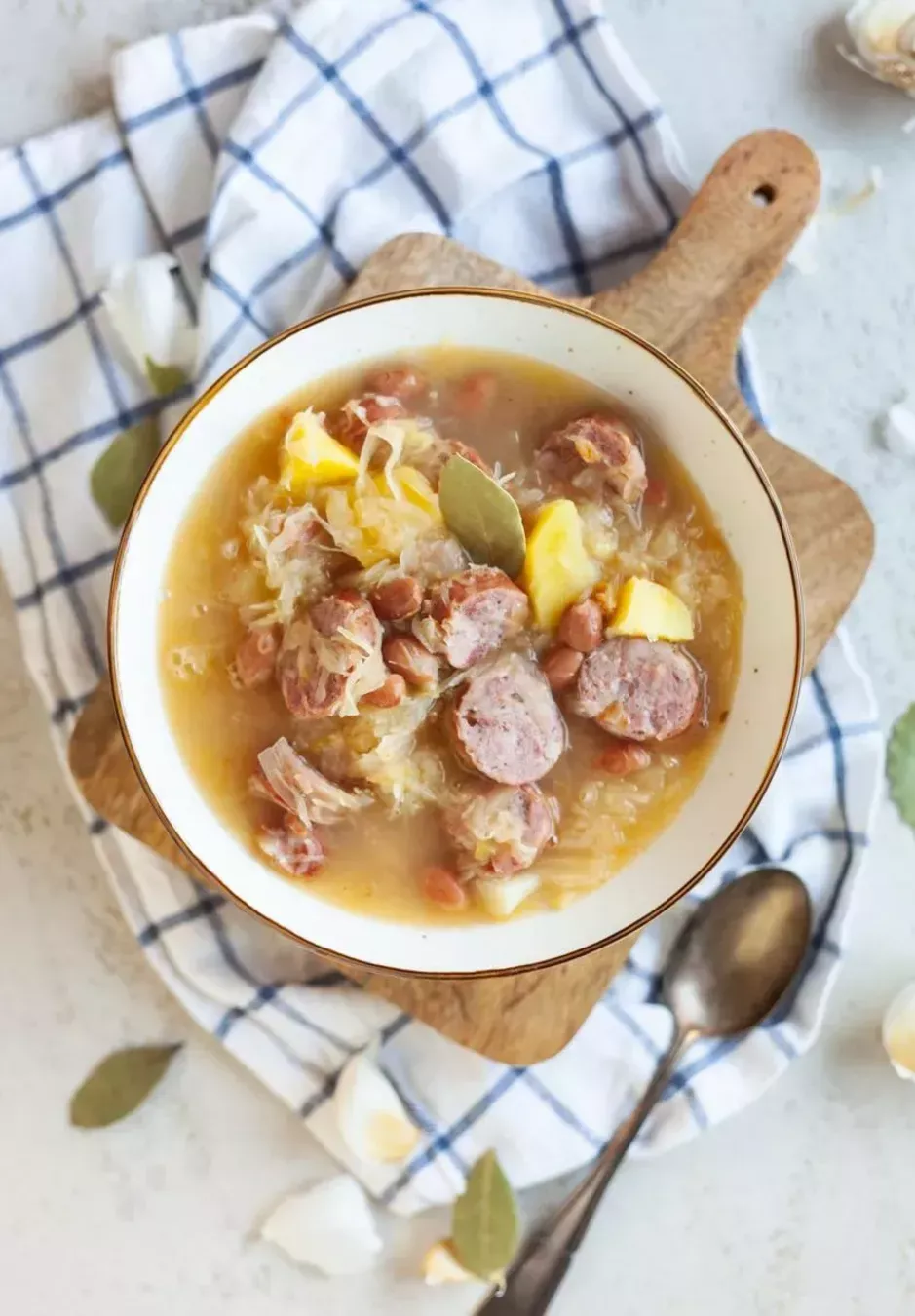
Jota – A hearty stew of sauerkraut, beans, potatoes, and smoked pork, perfect after a hike in the mountains.
Blejska kremšnita (Bled cream cake) – A sweet symbol of Lake Bled, made with layers of custard and cream between puff pastry.
These dishes are more than recipes—they are carriers of memory, passed down through generations and shared with guests as a sign of welcome.
Jota. Source: Aninakuhinja.si
A land of wine
If there is one drink that defines Slovenia, it is wine. The country has three main wine regions —Primorska, Podravje, and Dolenjska — each with its own character.
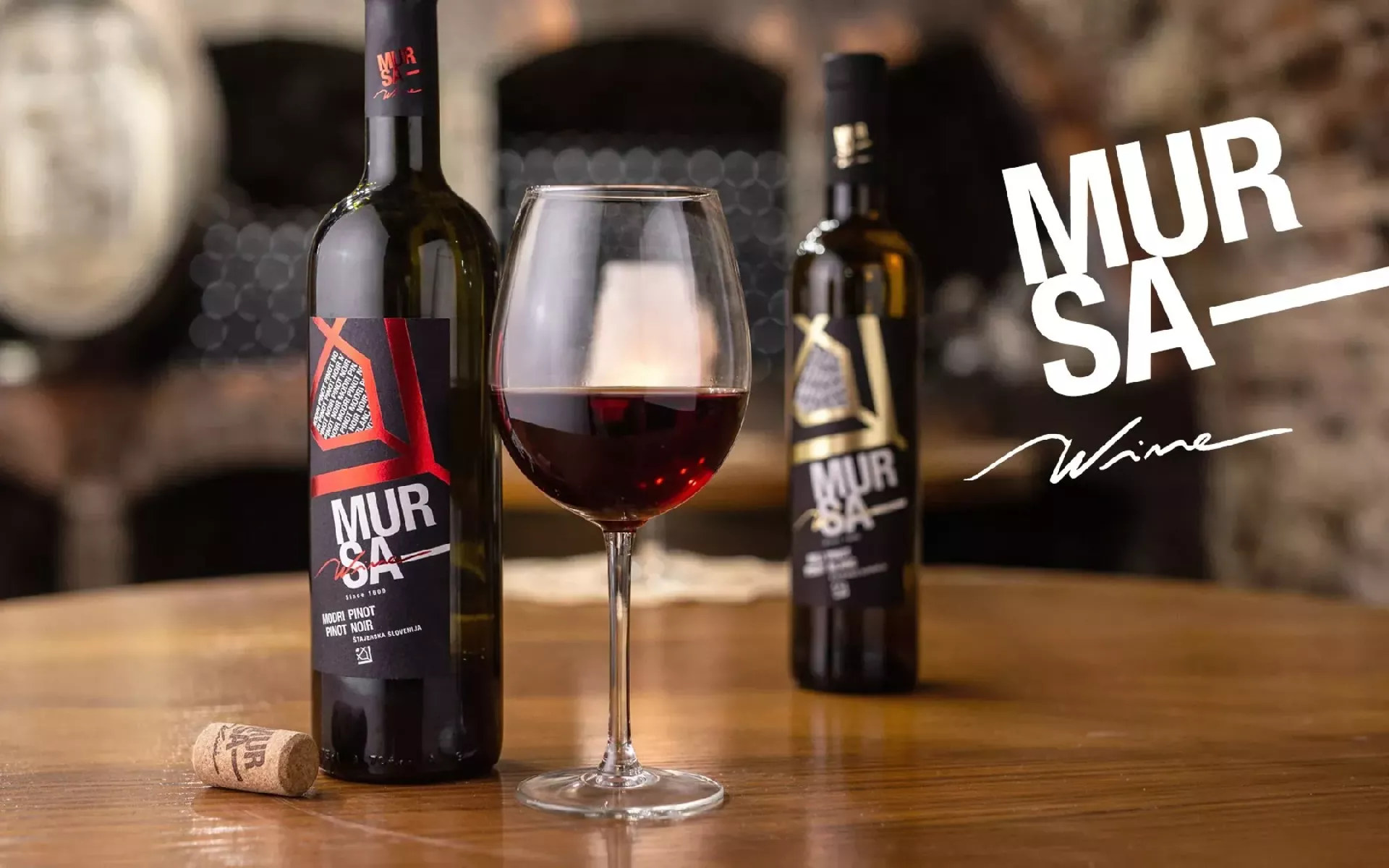
Maro wine Mursa, one of many slovenian wine estates. Source: Maro wine Mursa
In the Primorska region near the Adriatic, you’ll find bold reds like Refošk and mineral-rich Teran, as well as elegant whites like Rebula. This is also the birthplace of Slovenia’s world-famous “orange wines.”
Podravje, in the northeast, is known for aromatic whites such as Šipon (Furmint) and Traminer, along with sparkling wines that rival Champagne.
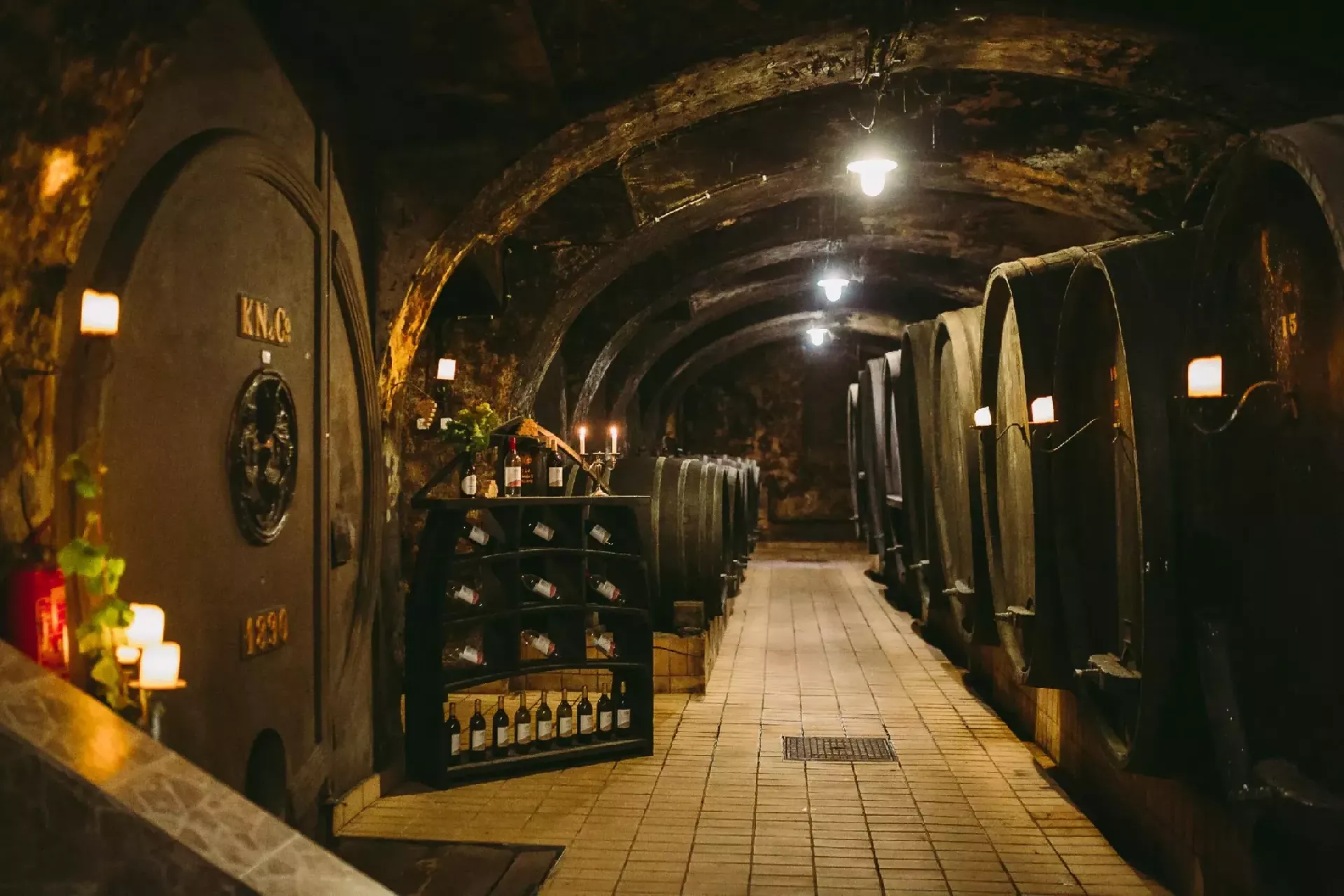
One of the greatest wine cellars - Vinag, stretching kilometers under the city of Maribor, represents one of the odlest wine cellars in Europe. Source: Vinag 1847.
Dolenjska, in the south, is home to the unique Cviček, a light, tangy red wine with low alcohol content—unlike any other wine in Europe.
Many vineyards are family-run, and visitors are often welcomed into cozy cellars for tastings. Wine here is not just a product—it’s a way of life.
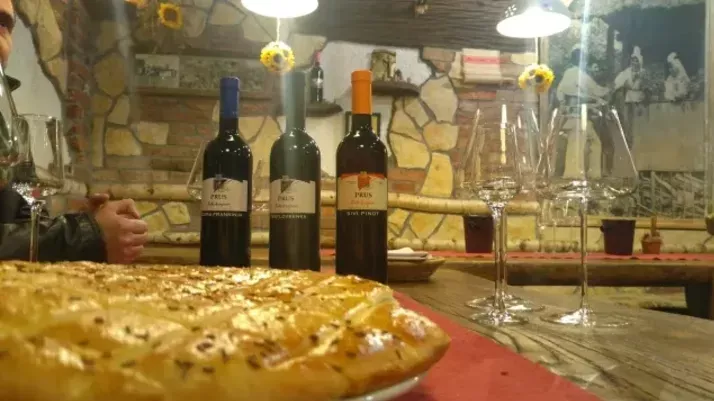
Eminent wine estate Prus, from Bela Krajina, known by their late harvest and orange wines. Source: Vinopija.com
👉 Did you know? Slovenia has one of the world’s oldest grapevines still growing in Maribor, estimated to be over 400 years old.
Beyond wine: Spirits, beer, and homemade juices
Slovenian drinks extend far beyond wine. Rural households often produce their own žganje (fruit brandies), such as pear-based viljamovka, blueberry borovničevec, and honey medica. These are often offered as a greeting drink when visiting someone’s home.
Beer lovers will also feel at home—Slovenia has two classic brands, Laško and Union, as well as a lively craft beer scene with breweries experimenting with IPAs, stouts, and sours.
For non-alcoholic options, many families still prepare homemade syrups from elderflower, raspberries, or cherries, mixed with water for refreshing drinks. Apple juice and cider are also common, especially in orchard-rich regions.
The Ritual of Hospitality
In Slovenia, food is not only about what’s on the plate—it’s about who you share it with. Guests are always offered something to eat or drink, even if they just stopped by briefly. A Sunday lunch is a family ritual, often with roasted meat, potatoes, and seasonal vegetables. Holidays bring special meals, like Easter baskets filled with ham, horseradish, and decorated eggs, or Christmas feasts with potica and cookies.
To sit at a Slovenian table is to experience the culture’s warmth and generosity. Meals stretch beyond eating; they are a time for conversation, laughter, and connection.
From Tradition to Innovation
While Slovenia is proud of its traditions, it is also becoming a hub for modern gastronomy. Chefs like Ana Roš of Hiša Franko have gained international fame for combining local ingredients with innovative techniques. Restaurants experiment with fermentation, foraging, and zero-waste cooking, while still respecting the heritage of Slovenian flavors.
Food festivals, like Odprta Kuhna (Open Kitchen) in Ljubljana, allow locals and visitors to taste dishes from around the world alongside Slovenian classics. Meanwhile, Michelin stars awarded to several restaurants prove that this small country competes on the global culinary stage.
Practical Tips for Food Travelers
Follow the seasons – try wild garlic in spring, cherries in summer, mushrooms and chestnuts in autumn, and hearty stews in winter.
Visit a tourist farm (turistična kmetija) – these family-run farmhouses serve authentic meals with homegrown produce.
Don’t miss the wine routes – Goriška Brda, Vipava Valley, Jeruzalem Hills, and Dolenjska are unforgettable for wine and landscapes.
Be open to local customs – if someone offers you a shot of brandy, it’s polite to take at least a sip.
Why Slovenia Is Europe’s Culinary Gem
Slovenia may not yet have the fame of Italy or France, but its culinary scene is equally rewarding. Here you’ll find diversity in a small area, authenticity rooted in tradition, and innovation that looks to the future. More importantly, you’ll find people who are passionate about food and eager to share it.
👉 So, if you’re planning your next trip, come hungry. Slovenia will surprise you with every bite, sip, and smile you encounter along the way.
Sep 08, 2025