Slovenia is a country where the rhythm of culinary follows the rhythm of nature. For centuries, people here lived in close harmony with the seasons, eating what was available from fields, orchards, forests, and rivers. Even today, Slovenian cuisine celebrates this cycle—spring greens after the long winter, sweet fruit in summer, earthy mushrooms and chestnuts in autumn, and hearty stews in winter.
For travelers, exploring Slovenia’s cousine by the seasons is one of the best ways to understand the culture and connect with its landscapes.
Spring – Freshness and renewal
After snowy winters, Slovenians welcome spring with a passion for fresh greens. Markets suddenly burst into color, and families return to age-old traditions of foraging and gardening.
Dandelion (regrat): Young leaves are picked in early spring for salads, usually with boiled eggs and crispy bacon. For many Slovenians, regrat salad marks the true arrival of spring.
Wild garlic (čemaž): Foraged in forests, this aromatic herb is used in soups, pestos, and spreads. Its season is short, but its flavor is unforgettable.
Asparagus: Particularly popular in the Vipava Valley and coastal Slovenia, where it appears in risottos, omelets, and pasta.
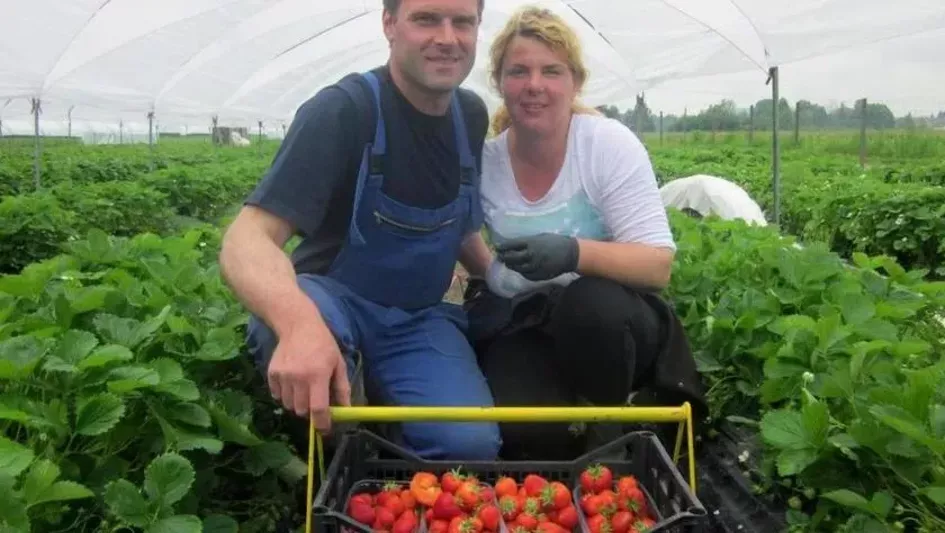
Strawberries: The first fruit of the season, celebrated in local fairs and eaten fresh with cream or sugar.
Who doesn’t liket strawberries. Source: Agrobiznis.finance.si
👉 Traveler’s tip: Visit a farmers’ market in April or May to see baskets filled with wild greens and spring vegetables. Many stands offer samples, giving you a true taste of Slovenian freshness.
Summer – Abundance and celebration
Summer in Slovenia means gardens overflowing and orchards reach with fruit. It is the season of color, sweetness, and long meals enjoyed outdoors.
Cherries, apricots, and peaches: Every June, cherries take center stage. Destinations like Brda even host cherry festivals. Apricots and peaches follow, filling jams, cakes, and summer desserts.
Tomatoes and peppers: Garden staples that find their way into everything—fresh salads, stuffed peppers, or sauces.
Watermelon and melons: Essential for hot July days, often sold from roadside stands.
Seafood: Along the Adriatic coast, summer brings grilled sardines, calamari, and seafood pasta, always with a drizzle of olive oil.
Summer is also the season of festivals. Open-air events like Odprta Kuhna in Ljubljana showcase cousine from around the world, while local fairs celebrate everything from cherries to garlic.
👉 Did you know? Slovenia’s sunny Vipava Valley is one of the earliest places in Central Europe where peaches ripen, making them a summer highlight.
Autumn – Earthy and generous
Autumn is perhaps the most beloved fruit season in Slovenia. It is harvest time—of grapes, apples, pumpkins, and chestnuts—and the countryside buzzes with activity.
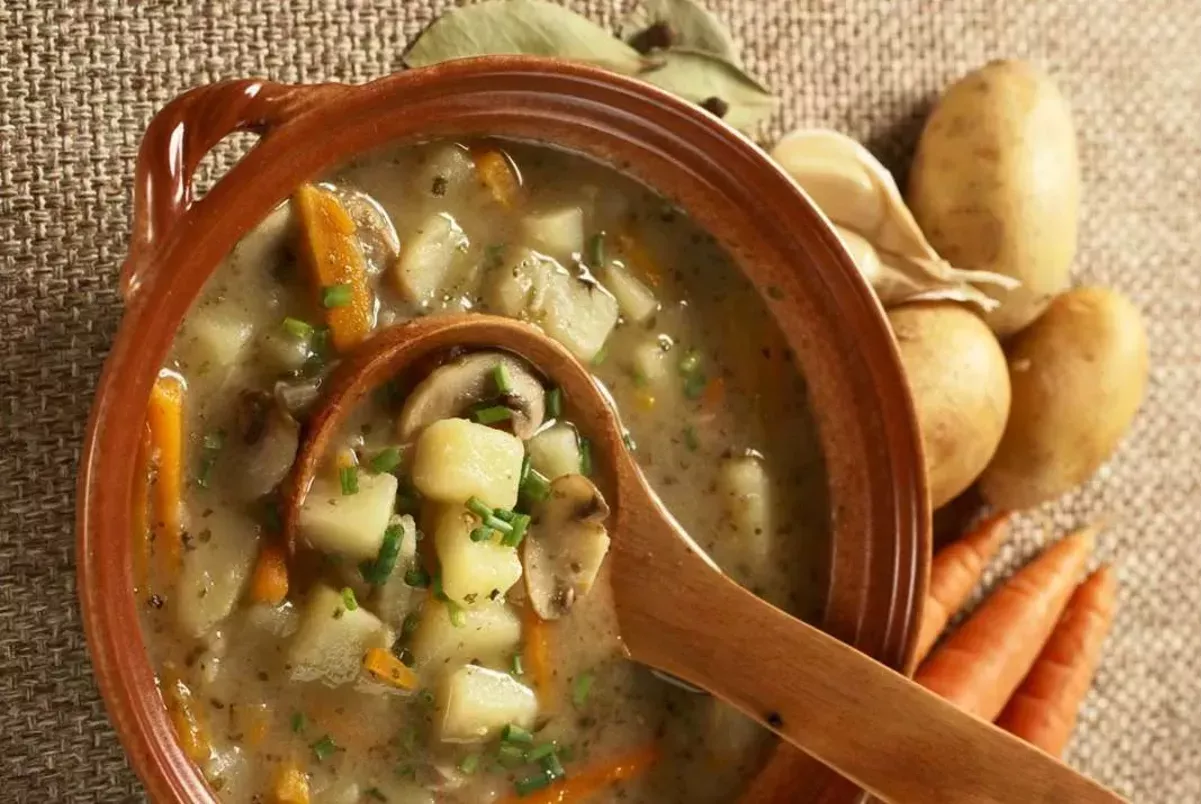
Mushrooms: Forests fill with foragers hunting porcini, chanterelles, and other wild varieties. Mushroom soup is a seasonal delicacy, creamy and fragrant.
Mashrooms soup unique for its hundred different recipies. Source: Bodieko.si
Chestnuts: Roasted chestnuts are sold on street corners in towns, filling the air with their sweet aroma. Eating them from paper cones is a Slovenian autumn ritual.
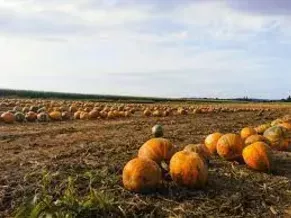
Pumpkins and pumpkin seed oil: Pumpkins are used in soups and pies, while pumpkin seeds are pressed into the dark green oil, drizzled on salads or potatoes.
Tradition of cultivating pumpkins in Prekmurje region is still alive toda. Source: Kmetija Banfi's Facebook
Apples and pears: Orchards in Štajerska and Dolenjska produce countless varieties, often turned into cider or schnapps.
Wine harvest (trgatev): from late August over September and often till October bring grape picking. Families and friends gather to harvest, press grapes, and celebrate with music and food.
👉 Traveler’s tip: If you visit Slovenia in autumn, join a wine harvest festival (trgatev) or St. Martin’s Day (Martinovanje) on 11th of November, when grape must officially “becomes wine.”
Winter – Hearty and comforting
When the days grow short and the air turns cold, Slovenian cuisine becomes rich and filling. Winter meals are about comfort, preservation, and celebration.
Sauerkraut (kislo zelje) and sour turnip (kisla repa): Fermented vegetables are staples of winter cooking, appearing in stews and as side dishes.
Koline: The pig-slaughtering season brings sausages, blood pudding, and lard—once crucial for survival through winter.
Stews and soups: Jota (sauerkraut and bean stew), ričet (barley stew), and mushroom soup keep people warm and satisfied.
Celebration sweets: Christmas means potica, cookies, and dried fruit compotes.
Carnival cousine: Before Lent, krofi (jam-filled doughnuts) appear everywhere, especially in February during pust (Slovenian carnival).
👉 Did you know? In many villages, neighbors still gather for koline, turning pig-slaughtering into a community feast with singing, storytelling, and of course, schnapps.
The seasonal philosophy
Slovenia’s food culture is a perfect example of “seasonal eating” long before it became a global wellness trend. For centuries, survival depended on eating what was fresh, preserving what could be stored, and celebrating the gifts of each season. Today, this tradition aligns beautifully with modern values of sustainability and local sourcing.
Restaurants proudly adjust menus throughout the year: asparagus and wild garlic in spring, cherries and seafood in summer, mushrooms and pumpkins in autumn, and hearty stews in winter. Travelers who follow these cycles not only eat better, but also experience Slovenia the way locals do.
Practical tips:
Spring: Try regrat salad or wild garlic soup at local inns.
Summer: Don’t miss cherry festivals in Brda or a seaside sardine grill.
Autumn: Taste roasted chestnuts on Ljubljana’s streets or join a vineyard harvest.
Winter: Warm up with jota or potica in a mountain hut.
Markets are the best places to track seasonal changes. A walk through Ljubljana’s central market or smaller village markets reveals the flow of the seasons more clearly than any calendar.
👉 Slovenia’s seasonal food tells a story of resilience, creativity, and joy. From the first spring greens to the last winter stews, every bite reflects the country’s landscapes and traditions. For travelers, following the seasons is not just about food—it’s about experiencing Slovenia’s way of life in its most authentic form.
Sep 08, 2025