Slovenia is not only a land of diverse flavors—it is also a land where cousine is still deeply connected to the soil, the farmer, and the seasons. In an age where industrial agriculture dominates much of the world, Slovenia stands out with its commitment to organic farming, local sourcing, and the philosophy of “from field to table.”
For travelers, this means more than eating well. It means tasting food that is fresh, natural, and rooted in centuries of tradition.
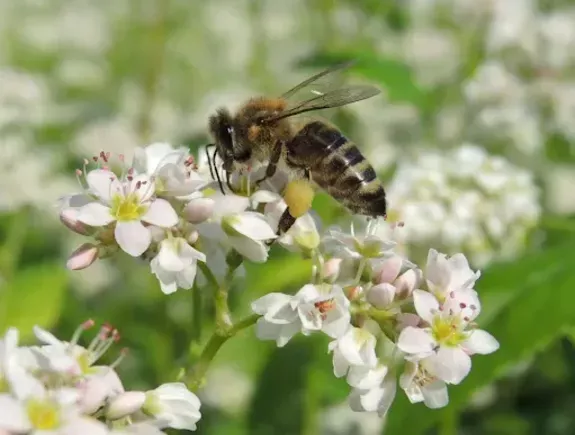
Slovenian bee, a true symbol of slovenian unity. The bees are flaying over pristine landscape pollinate plants and collect ingredients for honey. Source: Slovenija25.si
Farmers’ markets – The beating heart of local food
Every Slovenian city and town has its farmers’ market (tržnica), where locals buy vegetables, fruit, dairy, and bread directly from producers.
Ljubljana central market: Designed by famed architect Jože Plečnik, it is both a marketplace and a cultural landmark. Here, you can find everything from seasonal produce to pumpkin seed oil, honey, and fresh flowers.
Regional markets: Maribor, Ptuj, Kranj, and Piran all have lively markets reflecting their local specialties. Coastal markets feature olives and seafood, while alpine ones sell cheese and mushrooms.
👉 Traveler’s tip: Visit in the morning when the stalls are full and vibrant. Many farmers happily offer samples and enjoy explaining how their products are grown.
Eco-farms and the Organic movement
Slovenia has made impressive progress in organic agriculture. With its clean environment, small farm sizes, and long tradition of sustainable practices, the country is a natural leader.
Eco-certified farms: Hundreds of farms are officially certified organic, producing vegetables, grains, dairy, and meat without chemicals.
Biodynamic agriculture: Some vineyards and farms follow biodynamic principles, using lunar cycles and natural composting to enrich the soil.
Filed-to-table restaurants: Many of Slovenia’s top restaurants source directly from the local farms, ensuring freshness and supporting local producers.
👉 Did you know? Over 10% of Slovenia’s farmland is cultivated organically—one of the highest percentages in the European Union.
From filed to table – A way of life
In Slovenia, “filed-to-table” is not a trend but a tradition. For centuries, families grew their own vegetables, raised livestock, and preserved food for winter. This resourcefulness is still alive today.
Tourist farms (turistične kmetije): Visitors can stay overnight, enjoy home-cooked meals made from farm produce, and even join in seasonal work like harvesting or beekeeping.
Direct sales: Many farms sell cheese, eggs, honey, or meat directly to consumers. Roadside stands with seasonal fruits and vegetables are a common sight.
Community-supported agriculture: Some urban residents subscribe to weekly vegetable baskets delivered directly from nearby farms.
Honey and beekeeping – Sweet symbols of sustainability
Slovenia is famous for its bees. With over 10,000 beekeepers, the country has one of the highest densities of beekeepers in the world.
Carniolan honeybee: A native breed known for its gentleness and productivity.
Honey varieties: Acacia, linden, chestnut, and forest honey, each with unique flavors.
Apitourism: Visitors can tour apiaries, taste honey, and even try “bee therapy” by resting near hives.
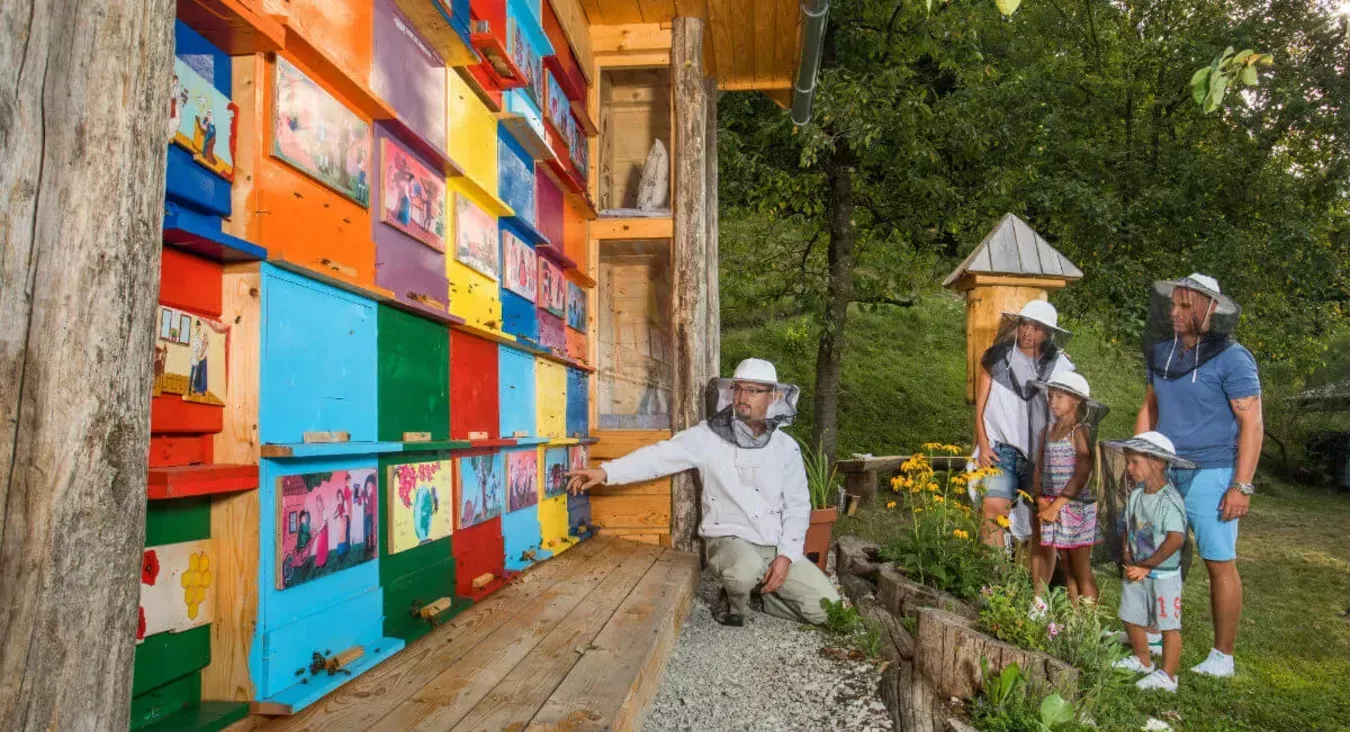
Meet the bees in Api excursions. Source: Slovenia.info
Honey production exemplifies Slovenia’s filed-to-table ethos—natural, sustainable, and deeply connected to the environment.
The role of traditional preservation
Filed-to-table in Slovenia also means knowing how to preserve food. Long winters forced Slovenians to develop techniques that remain central today.
Fermentation: Sauerkraut and sour turnip are staples of winter meals.
Smoking: Sausages, bacon, and fish are preserved in traditional smokehouses.
Drying: Fruit, mushrooms, and herbs are dried for teas, soups, and desserts.
Pickling: Cucumbers, peppers, and beets fill cellar shelves in jars.
These methods reduce waste and ensure year-round food security—principles that modern sustainability movements now echo.
Restaurants leading the way
Slovenia’s fine dining scene is inseparable from its filed-to-table philosophy. Many Michelin-starred and other top restaurants base their menus on local sourcing.
Hiša Franko (Ana Roš): Forages herbs and works with nearby farmers for seasonal menus.
Grič (Luka Košir): Raises ducks and grows vegetables on-site, earning a Michelin Green Star.
Atelje (Jorg Zupan): Collaborates with small farms for fresh, playful menus.
Even outside fine dining, many inns and bistros take pride in sourcing from local markets and nearby farms.
Sustainability and the future
Slovenia’s embrace of organic and local food aligns perfectly with global sustainability goals. Reducing food miles, supporting biodiversity, and ensuring animal welfare are seen not as novelties but as responsibilities.
Short supply chains: Farmers sell directly to consumers, reducing transportation.
Eco-tourism: Visitors increasingly seek experiences where cousine, lodging, and activities are tied to sustainability.
Policy support: The Slovenian government actively encourages organic farming and eco-certification.
Practical tips for travelers:
Shop local: Visit markets for cheese, honey, and seasonal produce.
Stay on a tourisr farm: Book a turistična kmetija for the most authentic experience.
Try pumpkin seed oil: Dark green, nutty, and unique—often drizzled on salads or potatoes.
Taste local honey: Each variety reflects the flowers of its region.
Eat seasonally: Ask restaurants about daily specials tied to market offerings.
The field-to-table spirit
Perhaps the most remarkable thing about Slovenia’s field-to-table culture is how natural it feels. What other countries market as a trendy movement is, in Slovenia, simply daily life. People still trust their local farmer, still preserve food in their cellars, and still believe that the best meals are those made from nearby fields.
For visitors, this is more than just eating well. It is an opportunity to taste the honesty, sustainability, and authenticity of a culture that has never lost touch with the land.
👉 In Slovenia, “from field to table” is not a slogan—it is a way of life. Whether you bite into fresh bread at a farmers’ market, taste cheese on an alpine farm, or savor a Michelin dish made from local herbs, you are part of a story that connects land, farmer, and table.
Sep 04, 2025