Slovenia is a country where food and drink are never just consumed—they are celebrated. Festivals dedicated to flavors, wines, and seasonal delights mark the rhythm of the year, transforming city squares and village streets into open-air dining rooms. For visitors, these moments are the easiest way to experience the country’s spirit: music in the background, locals laughing with friends, and the smell of something delicious in the air.
Perhaps the best-known example is Odprta Kuhna, Ljubljana’s “Open Kitchen.” Every Friday from spring to autumn, the capital’s central square turns into a global food bazaar. Dozens of stalls showcase everything from traditional dumplings and štruklji to Asian noodles, tacos, and falafel. It’s not only about eating but about atmosphere—the chatter of people, the clinking of glasses, and the simple joy of trying a bite from one stall, a sip from another, and discovering that Slovenia is just as curious about the world as the world is about Slovenia. Arrive hungry, because you will want to taste everything, and don’t be surprised if you stay much longer than planned.
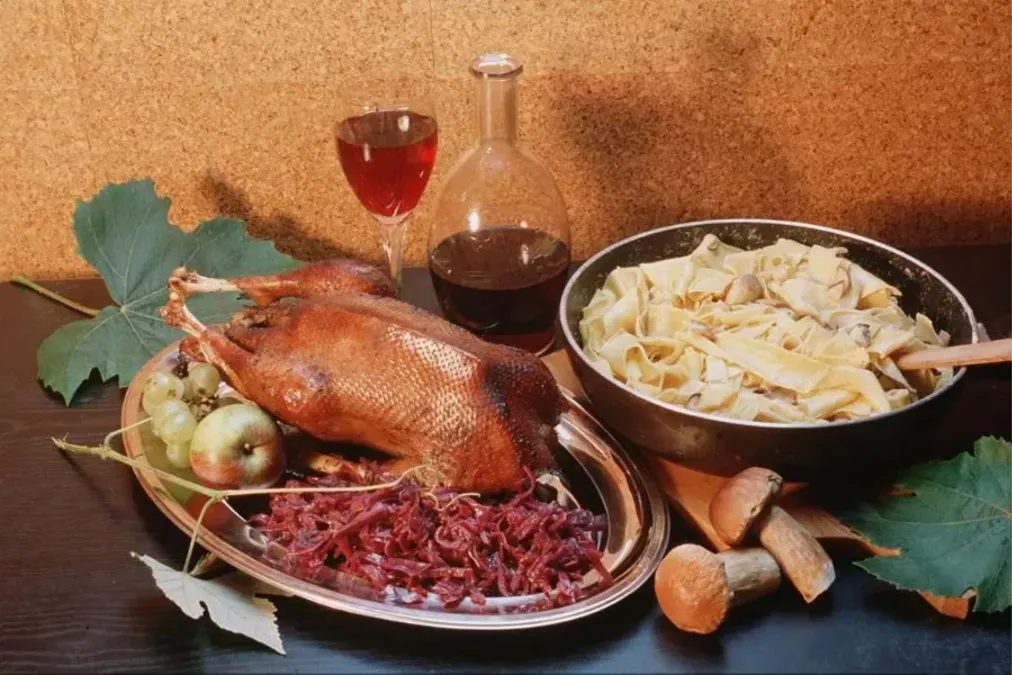
Autumn, however, belongs to wine. On St. Martin’s Day (Martinovanje), celebrated each 11th November, grape must officially “becomes wine.” Across the country, towns organize parades, tastings, and feasts. The traditional meal of roast goose, red cabbage, and dumplings appears on countless tables. In Maribor, home to the world’s oldest vine, the celebration carries an almost sacred air, with locals proud to share their heritage with visitors. If you travel through the countryside at this time, you may even find yourself invited to a vineyard cottage to taste the “new wine” straight from the barrel.
Traditional dishes of St. Martin day with a glass of new season wine. Source: Slovenec.org
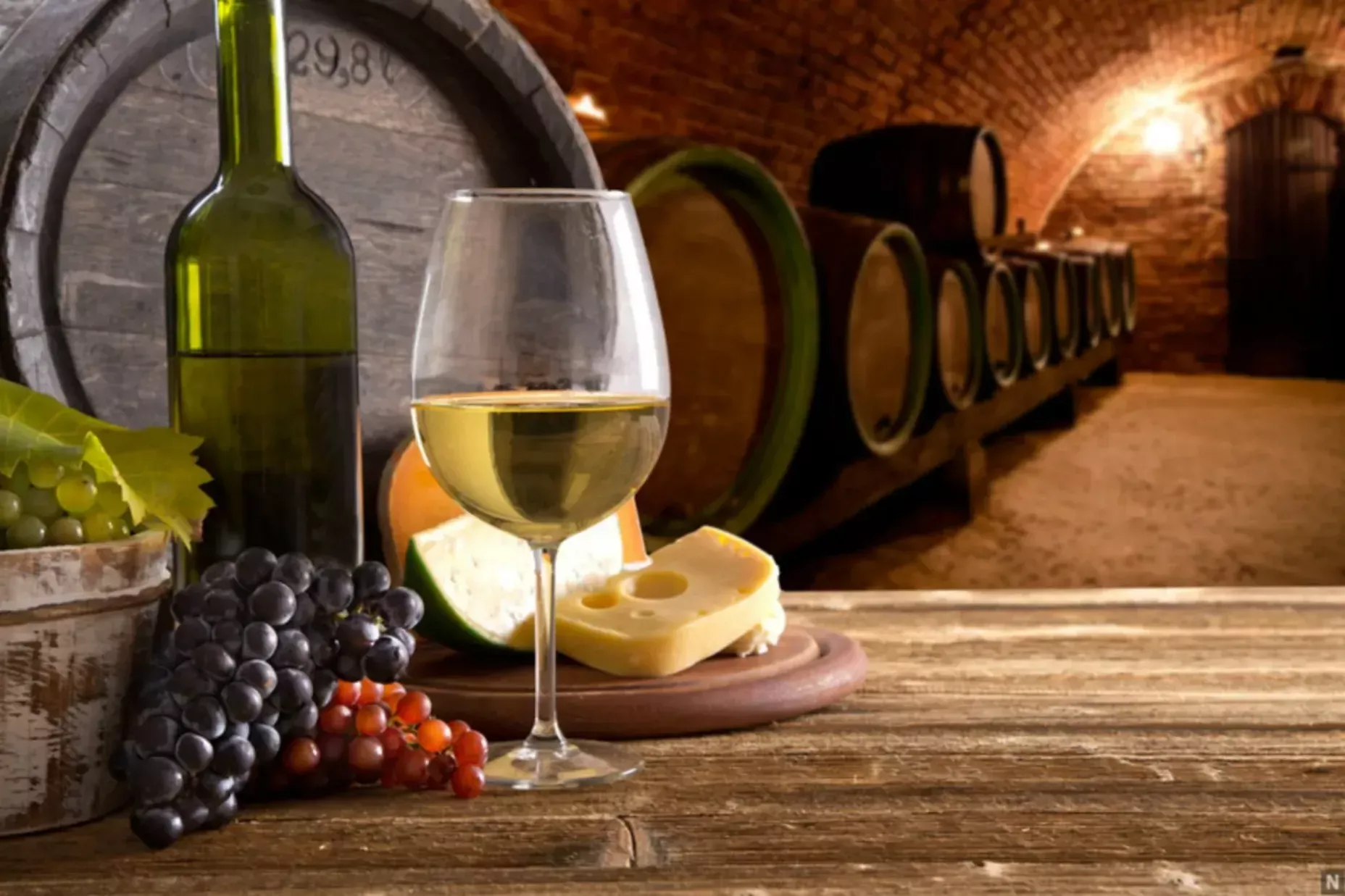
On St. Martin day you can stay in the celler with vintners and wait till must officialy become wine ready to be tasted. Source: Slovenec.org
Beer has its own place in the Slovenian calendar. The historic brewery town of Laško hosts the Beer and Flowers Festival, where music and lager flow equally freely, while Ljubljana celebrates its booming craft beer culture with modern festivals dedicated to IPAs, stouts, and sours. Here you’ll find younger crowds, food trucks, and the excitement of a new brewing generation eager to experiment.
Every wine region also has its own celebrations. In Brda, cherries and Rebula wine go hand in hand at summer festivals. The Vipava valley introduces its orange wines during spring and autumn gatherings, while the Jeruzalem hills in the northeast fill with music, folk costumes, and tastings when the grapes are ripe. Dolenjska, the land of Cviček, keeps its vineyard cottages—zidanice—open for guests who want to experience harvest traditions up close.
Yet not all festivals are grand. Many Slovenian villages organize their own veselice, local fairs that may look modest but carry an authentic charm. Organized by volunteer fire brigades or community groups, these evenings combine grilled sausages, langaš (fried bread), and accordion music under the open sky. Everyone is welcome, and foreigners who join in the dancing are quickly treated as locals.
Other celebrations focus on specific foods. Chestnut festivals in October fill the air with the scent of roasted nuts, pumpkin seed oil fairs in Štajerska offer tastings of the green “liquid gold,” and honey markets highlight Slovenia’s proud beekeeping heritage. In Brda, cherries are the star of early summer, while in winter, Christmas markets across Ljubljana, Maribor, and Celje keep spirits warm with mulled wine, roasted almonds, and festive pastries.
For travelers, these festivals are about more than cousine. They are about connection. Standing in a crowd with a paper cone of chestnuts, sharing a table at Odprta Kuhna, or toasting with locals during Martinovanje makes you part of something larger. Slovenians don’t just eat and drink; they celebrate abundance, mark the seasons, and welcome strangers into their traditions.
If you plan your journey around these events, remember a few things. Festival days are busy, so it helps to check dates in advance. Bring cash, as many stalls don’t accept cards. And above all, come with curiosity. Taste dishes you’ve never heard of, raise your glass when locals shout “Na zdravje!”, and allow yourself to be carried away by music and laughter.
👉 In Slovenia, food and drink festivals are windows into culture. They are reminders that the best meals are not always eaten in restaurants but in the open air, surrounded by community, tradition, and joy.
Aug 30, 2025