Slovenia’s cuisine is hearty, seasonal, and rooted in the land—but when it comes to desserts, it also reveals a sweet tooth and a deep sense of celebration. Cakes, pastries, and celebration rolls are part of every major holiday, wedding, and Sunday lunch. For travelers, exploring Slovenian desserts is like leafing through a cultural cookbook: each recipe tells a story of faith, history, or family pride. Among the many, three stand above the rest—Potica, Prekmurska gibanica, and the legendary Bled cream cake.
Potica – The queen of celebrations
No Slovenian holiday is complete without Potica. This rolled pastry, made with yeast dough and filled with walnuts, poppy seeds, tarragon, or even savory ingredients, is perhaps the most iconic dessert in the country.
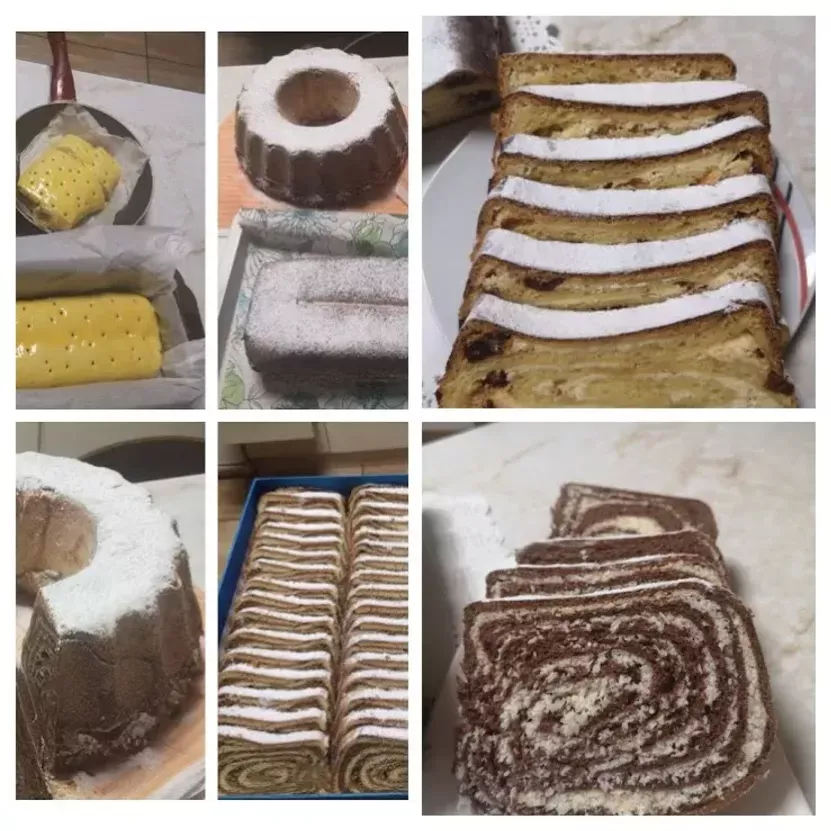
Traditionally baked at Christmas and Easter, Potica is more than dish—it is a symbol of abundance and unity. Families guard their recipes carefully, passing them down from generation to generation. The dough must be rolled thinly, spread with filling, and then rolled tightly into a spiral before baking. When sliced, each piece reveals the characteristic swirl, which Slovenians say reflects harmony and balance.
Potica appears in many different flavors. Source: Futr.si
Though walnuts are the most common filling, regional variations abound. In Gorenjska, tarragon potica is popular; in Primorska, raisins and citrus zest find their way into the roll. Modern bakers experiment with chocolate, hazelnuts, or even savory herbs.
For visitors, tasting Potica is an initiation into Slovenian culture. Whether enjoyed in a café in Ljubljana, at a tourist farm, or freshly baked in someone’s home, it is always offered with pride.
Prekmurska gibanica – Layers of tradition
If Potica is the queen of Slovenian desserts, then Prekmurska gibanica is her majestic rival. Originating in the far northeast, in the flatlands of Prekmurje, this dessert is a masterpiece of layering.
Gibanica is made with pastry sheets layered with poppy seeds, walnuts, apples, raisins, and cottage cheese, repeated multiple times to create a rich, heavy, and satisfying cake. Each layer has symbolic meaning: the seeds for fertility, the nuts for strength, the apples for health, and the cottage cheese for abundance.
Historically, it was baked only for special occasions such as weddings or big holidays, since the ingredients were expensive and preparation time-consuming. Today, it is protected as a dish of national heritage and recognized by the European Union with a Traditional specialty guaranteed label.
Eating gibanica is not just a sweet indulgence—it is a cultural experience, tasting the history of a region where resourcefulness and generosity meet in every slice.
Bled cream cake – A modern Icon
While Potica and Gibanica have centuries of history, Slovenia’s most famous dessert on the global stage is relatively modern: the Bled cream cake (Blejska kremšnita). Created in 1953 by a pastry chef at the Park Hotel in Bled, it quickly became the town’s signature treat.
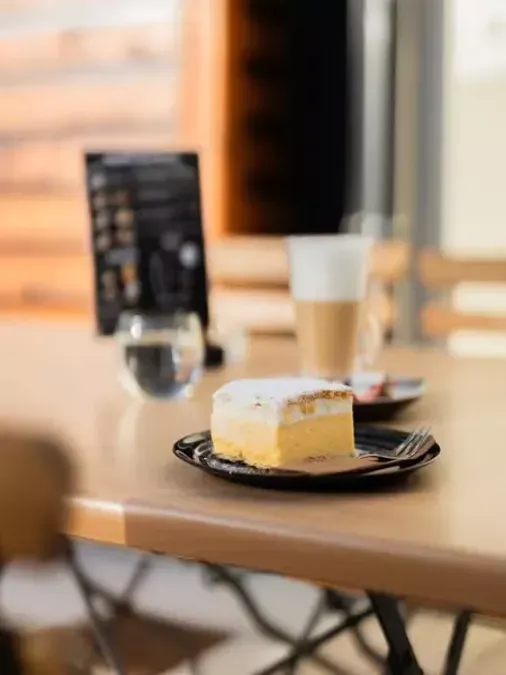
The cake is simple but irresistible: a base of crisp puff pastry, a thick layer of vanilla custard, a generous topping of whipped cream, and another layer of pastry dusted with powdered sugar. Cut into perfect cubes, it is served on plates that seem designed to frame its golden layers.
Part of its magic comes from setting: eating cream cake on the shores of Lake Bled, with the island church and medieval castle in view, is an experience that combines taste with romance. More than 15 million slices have been served to date, making it not only a dessert but also an ambassador of Slovenian hospitality.
Everyday sweets and regional variations
Beyond these three stars, Slovenia has a wide range of desserts tied to regions and seasons. Strudels filled with apples, cherries, or cheese reflect Austrian influence, while flancati and miške—fried pastries dusted with sugar—appear during Carnival. At Christmas, honey cookies and dried fruit compotes take center stage, while in summer, simple fruit pies showcase cherries, apricots, and plums.
In coastal towns, Italian influences bring gelato and tiramisu into everyday life, while in mountain areas, simpler sweets like buckwheat cakes or dumplings filled with jam carry on rustic traditions.
Coffee, hospitality, and the sweet tooth
Desserts in Slovenia are rarely eaten in isolation. They are part of a ritual of hospitality. A visitor to someone’s home will often be offered coffee and cake, even if they arrived unannounced. Sunday lunches end with strudel or potica, and cafés throughout the country invite people to linger over a slice of cake with friends.
For Slovenians, sweets are about sharing. Cutting potica for family, serving gibanica at weddings, or eating cream cake at Lake Bled are all acts that go beyond the plate. They are about connection, memory, and pride.
They say, Cream cake from Bled is the best with coffee. Source: Faxcebook/Gostilna Pr’Finžgar's
A sweet invitation
For travelers, exploring Slovenian desserts is a journey into culture. Taste potica at a family-run inn to feel the rhythm of holiday traditions. Try Prekmurska gibanica in its homeland to understand the resourcefulness of the northeast. And of course, enjoy a slice of Bled cream cake by the lake, where food and landscape create a perfect postcard.
Slovenia’s sweets prove that gastronomy is not only about savory dishes and hearty meals—it is also about indulgence, joy, and the art of turning simple ingredients into symbols of identity.
👉 Whether layered, rolled, or dusted with sugar, Slovenian desserts are more than treats. They are edible history, binding families and regions together, and offering every traveler a taste of celebration.
Aug 26, 2025